
Dec 15, 2025
The Western European surimi market has been showing its improvement as one of the key surimi producers and consumers in the whole region. French and Spanish are considered historically interested in seafood-based products to this day.
Surimi and surimi seafood, such as crabsticks and fishballs, has spread across the globe and European countries are no exception. Much research has proved that Europe actually has a quite high rate of seafood consumption, including surimi, a refined fish myofibrillar protein.
With modern technologies, the Western European surimi industry keeps evolving and fulfilling the high demand of surimi seafood products both within the region and internationally.
The question is how has surimi grown across Europe as a traditional Japanese cuisine? Explore more to find how the European surimi market has evolved all these years.
Early Surimi Production in Western Countries
Early surimi production in Western countries began in 1979 with the production and introduction of crabsticks to the locals. During this time, the European surimi market had no idea how to make fishery products, including surimi, stay fresh.
Later in the 1980s, the French and Spanish started to use the modern technologies and innovations while importing a high-quality frozen crabstick from Japan. With the technologies, the European surimi market successfully avoided the fish odor and maintained surimi seafood freshness.
As the surimi market expanded and gained more popularity in 1986, the European surimi market established two commercial crabstick plants in both France and the United Kingdom. This establishment relied entirely on Japanese technologies, and continuing into the early 2000s, additional plants were built in Europe and Russia.
Fun Fact: France and Spain led the European surimi market in a great way from 1985 to 1997, stopping the import of frozen surimi products from Asia to produce locally.
With the positive improvement in the Western European surimi market, much local research and development activity was focusing on surimi itself.
Surimi Technology in Europe
The European surimi market relied on Japanese technologies for its early surimi production, especially specialized equipment for mixing, cooking, and shaping crabsticks, their first surimi seafood product. During the production, they also use the 12-meter continuous cooking belt that also gives consistent texture and controlled heating.
As the industry grew, European manufacturers started using more advanced systems like condensed drum cookers. These took up less space and made the processing more efficient. These technological advances helped lower production costs while making products more consistent and of higher quality.
Improvements in machinery also let European factories try out new types of products, like surimi seafood products like fish balls, crab sticks, and more. These new ideas helped factories make things faster and gave them more freedom to make products that fit European tastes.
The surimi supply chain across Europe got even stronger thanks to ongoing improvements in freezing, chilling, and quality control systems. These changes also made it possible for manufacturers to keep their quality standards high while reaching more customers in retail and food service markets.
Species Used for Western Surimi Production
• Alaska Pollock (Walleye Pollock)

For many years, the world's best surimi was made with Alaska pollock, the most significant cold-water fish for the process. The mild flavor, stable protein functionality, and high gel-forming capabilities of this fish make it a popular choice in the United States and Europe.
To this day, the pollock fishery is among America's most important. Fillets, roe, and a significant portion of the surimi consumed globally are all sourced from this area. Due to its abundance of fish and stringent regulations, Alaska pollock is a dependable raw material supplier for the surimi industries in North America and Western Europe.
• Pacific Whiting (Hake)
After protease inhibitors were invented, Pacific whiting became an important cold-water species for making surimi. This resolved issues with quality that the fish's natural enzymes had caused. This new idea made it possible for the US and Canada to make surimi from whiting and sell it in both domestic and foreign markets.
Even though its flesh is softer than that of pollock, advances in technology made it possible to make high-quality surimi from this species. Western markets, especially the US, have used Pacific whiting to get more variety in their supplies and less reliance on Alaska pollock.
• Northern Blue Whiting
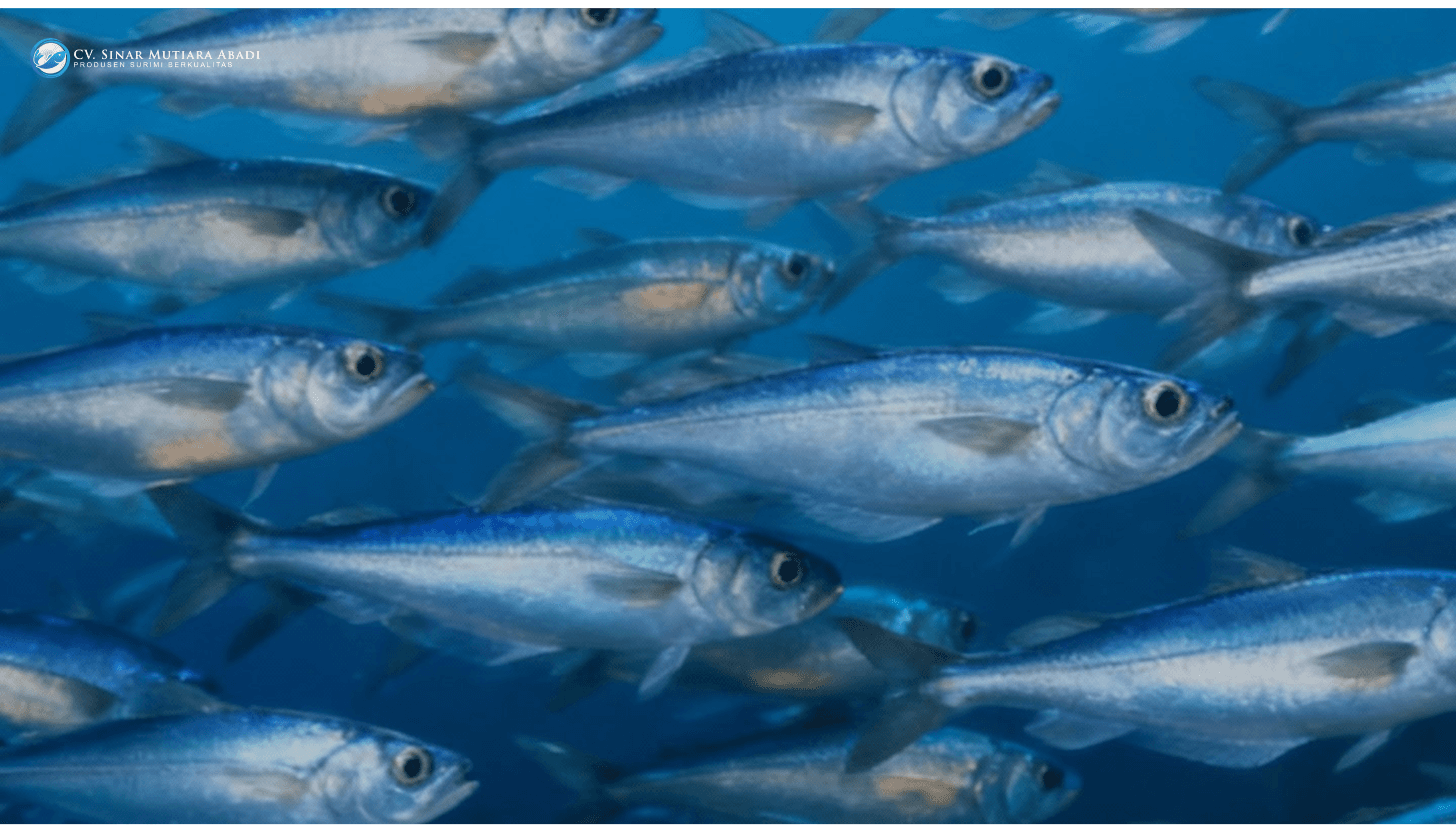
European surimi producers, especially factory trawlers from France and the Faroe Islands, have used northern blue whiting. When processed fresh, this species makes high-quality surimi that is very stretchy, which makes it good for many products in Western Europe.
The amount of Northern blue whiting that is produced has changed because of quota limits, the availability of raw materials, and competition with fishmeal markets. But when supply is stable, its gel properties and cold-water profile make it a useful resource for the European surimi market.
• Southern Blue Whiting
People mostly catch southern blue whiting in sub-Antarctic waters, and it is known for making surimi with great gel strength and elasticity. These useful features make it one of the best cold-water surimi species.
Surimi made from Southern blue whiting is more common in South America, but it is also sent to Japan, Korea, and sometimes Western markets that want high-quality surimi. It can compete with high-quality Alaska pollock surimi in situations where firmness and durability are important because it sets so well.
Development of the Surimi Market in Western Europe
Due to their rich seafood traditions and high consumer acceptance, France and Spain have continued to play a pivotal role in Western Europe's surimi expansion. France ate about 60,000 metric tons a year in the early 2000s, while Spain ate about 40,000 metric tons a year, showing that they were in charge for a long time.
More than 90% of French consumers choose chilled surimi products. This trend started in 1989 when French producers started making chilled surimi that lasts longer, which meant they didn't have to rely on frozen imports as much.
Spain likewise slowly switched from frozen to chilled surimi, going from 38% chilled in 2005 to 53% chilled by 2010. This change showed that more Europeans prefer seafood that is easy to prepare and lightly treated.
The Association of the Development of the Surimi Industry (ADISUR), which was founded in 1997, helped create quality standards and make sure that French surimi goods were clear. By enforcing a minimal amount of fish flesh in surimi and crabstick goods, their rules made customers feel more confident.
Updated Market Trends in 2024
Market Reports World (2024) says that Europe is still one of the most important surimi markets in the world, bringing in more than 200,000 metric tons of surimi every year. France, Spain, and the UK now each eat more than 50,000 metric tons a year, which shows that demand is steady in all three major markets.
Surimi is used by manufacturers all over Europe to make crab analogues, seafood sticks, and fish balls for restaurants and supermarkets. These things are popular with people who want seafood that is high in protein, easy to get, and cheap.
Sustainability has become a major trend, with over 30% of surimi products in Europe having eco-labels or certification seals. European shoppers care a lot about responsible sourcing, being able to trace where things come from, and having less of an impact on the environment.
To meet the growing demand in cities, local seafood processors are also adding more chilled surimi to their product lines. Modern shoppers still care most about freshness, clean labels, and convenience when they buy things.
These new trends show that Western Europe is still changing the direction of the global surimi market through new ideas, eco-friendliness, and more imports.
Conclusion
The surimi market in Western Europe has grown from Japanese imports into a strong and innovative seafood segment driven by consumer demand for high-quality, easy-to-use products. Europe is still shaping global surimi trends and affecting the future of the industry. This is because there is more focus on sustainability and the growth of chilled products.



Adress: Gajah Mada KM 4, Banyudono, Kaliori, Rembang 59252
Phone Number: +62 822 98989 169
E-mail: marketing@sinarmutiaraabadi.co