Jan 17, 2025
Kamaboko Tradition: Overview
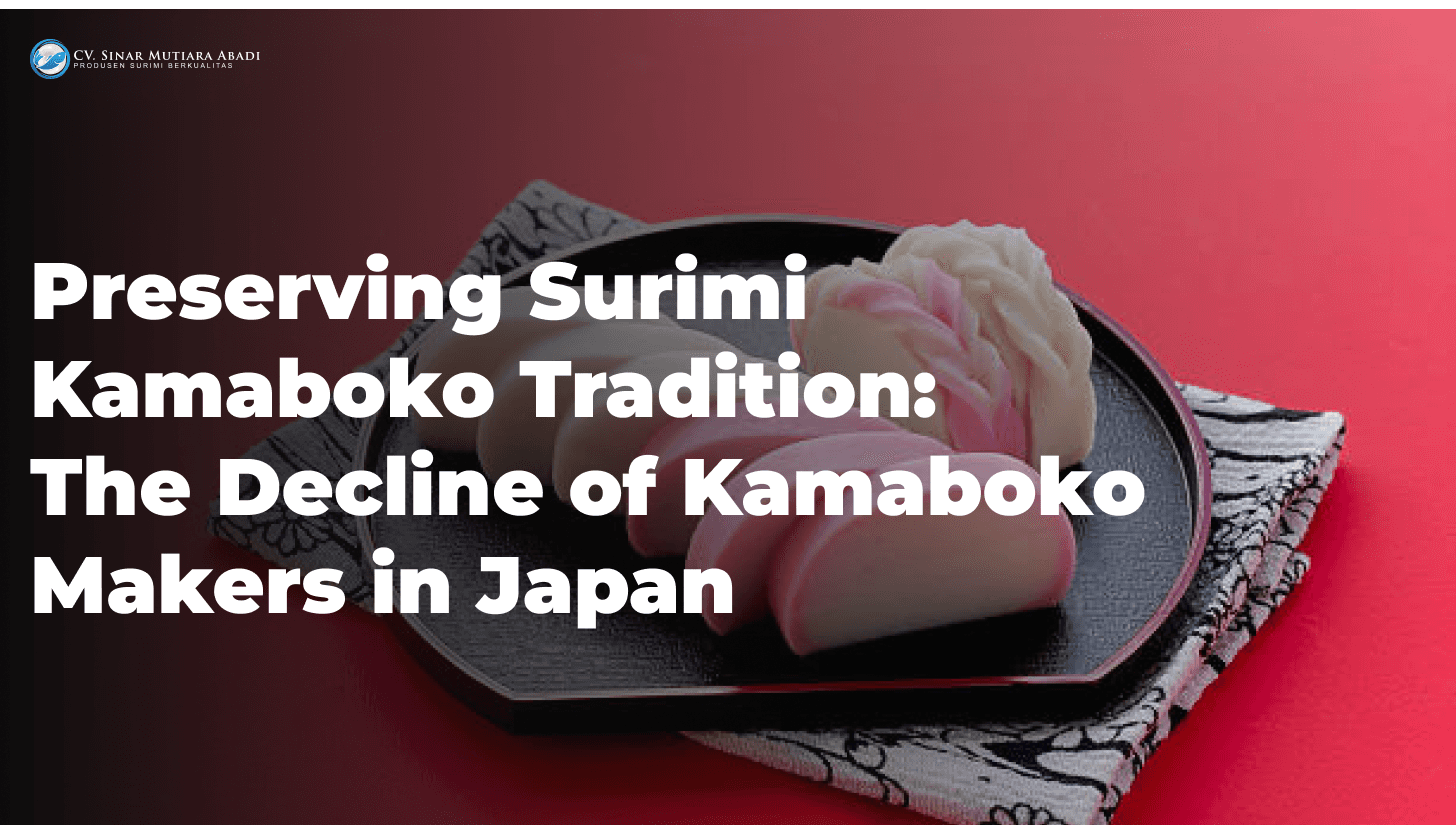
Kamaboko is one of the types of traditional surimi seafood in Japan and is often known as a term referring to all surimi seafood within the country.
During the Heian period (709-1180), many locals believed that Kamaboko was made from the cattail flower, which made it similar to another type of surimi seafood, Chikuwa. Later in the Edo period (1600-1867), Kamaboko got a lot of attention and spread widely across the country. This was the moment when Kamaboko started becoming part of Japanese traditional cuisine.
Since then, Kamaboko production flourished across Japan using surimi made from local fish as the main material.
Fun fact: Before 1960, Kamaboko production used surimi made primarily from croaker, yellow croaker, lizardfish, and conger eel. All of these species were caught in the Eastern China Sea.
Kamaboko has become a common gift in Japan, especially for weddings. Not only that, it takes more part as a traditional cuisine to celebrate New Year’s Day to symbolize good luck.
Challenges Faced by Kamaboko Producers
In the surimi industry, there are many challenges that surimi seafood manufacturers around the world must face, including the Kamaboko producers.
Back in 2011, the number of Kamaboko producers in Japan was shrinking from over 3000 to 946. This decline was not only a disaster for Kamaboko production but also added challenges that Kamaboko producers had to face.
The decline was likely because of the intense competition in the surimi industry. Smaller producers found it hard to compete with bigger manufacturers with their own distribution and marketing systems across the country and globally.
It was also influenced by the changing preferences of the younger generation, who were no longer interested in consuming Kamaboko and preferred Western-style foods instead.
Not only that, Kamaboko producers also had to deal with global market conditions that might affect frozen surimi as their main ingredient. In 2008-2009, surimi became quite pricey and eventually made many Kamaboko producers go bankrupt.
All these challenges that Kamaboko producers had to face years ago still need to be anticipated. It is important to remember that the surimi industry is not a small seafood production, and surimi quality makes it a popular option for seafood.
This industry has a high possibility to keep growing as many producers will contribute to this journey. That is why producers in this industry need to find innovative ways to survive not only a competitive industry but also the changing consumer preferences and global market situations.
Historical Trends in Kamaboko Production
All these years, Kamaboko has been through various trends, especially in its production. As mentioned before, Kamaboko producers are getting fewer over time, and it affects the production rates.
Historically, surimi seafood production in Japan increased from 400,000 MT to reach 1 million MT in 1973-1976. This includes the production of Kamaboko, which contributed around 300,000 MT in 1974-1976.
But this industry also went through ups and downs. In those years, the Kamaboko and other surimi seafood production did not increase consistently. In fact, both production and consumption trends of these surimi seafood products were gradually declining.
Steamed Kamaboko production had its lowest production in 2008-2011, with 400,000 MT shrinking to 100,000 MT. This reduction was likely because of the massive use of surimi with low to medium quality instead of high-grade ones such as pollock surimi. This type of surimi is required to make a premium Kamaboko instead of a tropical surimi.
Besides all these reductions, fried surimi seafood did not go as low as steamed Kamaboko. The consumption trends for fried surimi seafood did not really get affected and only went to a 100,000 MT reduction.
How to Preserve Kamaboko Tradition
Looking at the history of Kamaboko’s trends, it is clear that some serious efforts were needed to cope with the problems, and it seemed impossible to just leave it like that. Well, there were indeed some efforts that had been taken to preserve the Kamaboko tradition.
Promoting the Nutrients in Surimi Seafood
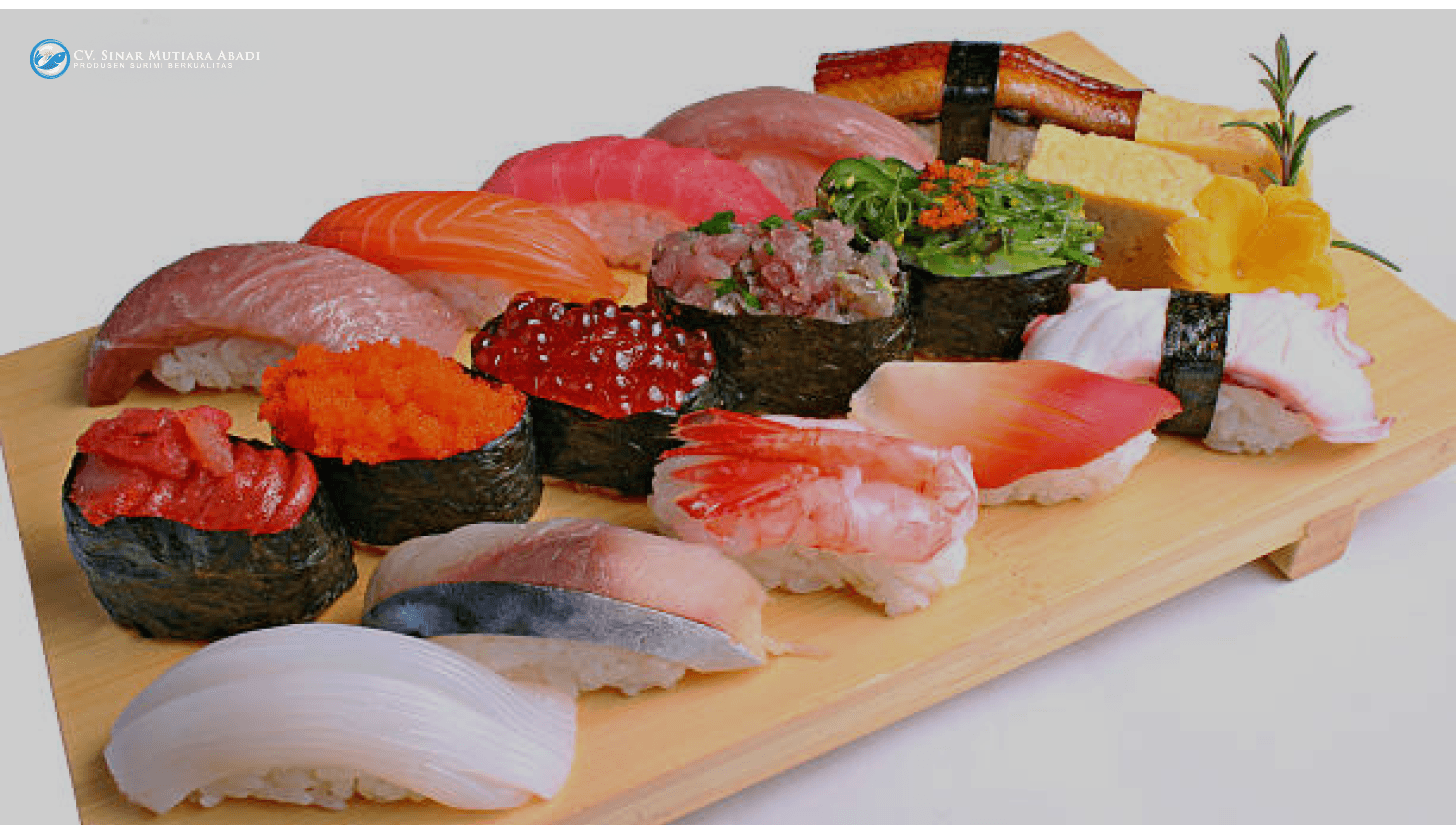
Just right after Kamaboko and other surimi seafood production experienced a massive decline in 2008-2011, many consumers preferred other types of seafood products and stayed away from surimi seafood. After this happened, the Association of Surimi Seafood Makers (ZENKAMA) also tried to promote the positive side of surimi seafood, which mainly emphasized its nutritional benefits.
The purpose behind this effort was to bring customers back and boost the consumption rate for surimi seafood, including Kamaboko. However, no data proves a significant increase happened after the health benefits promotion.
Producing Kamaboko in the Traditional Way
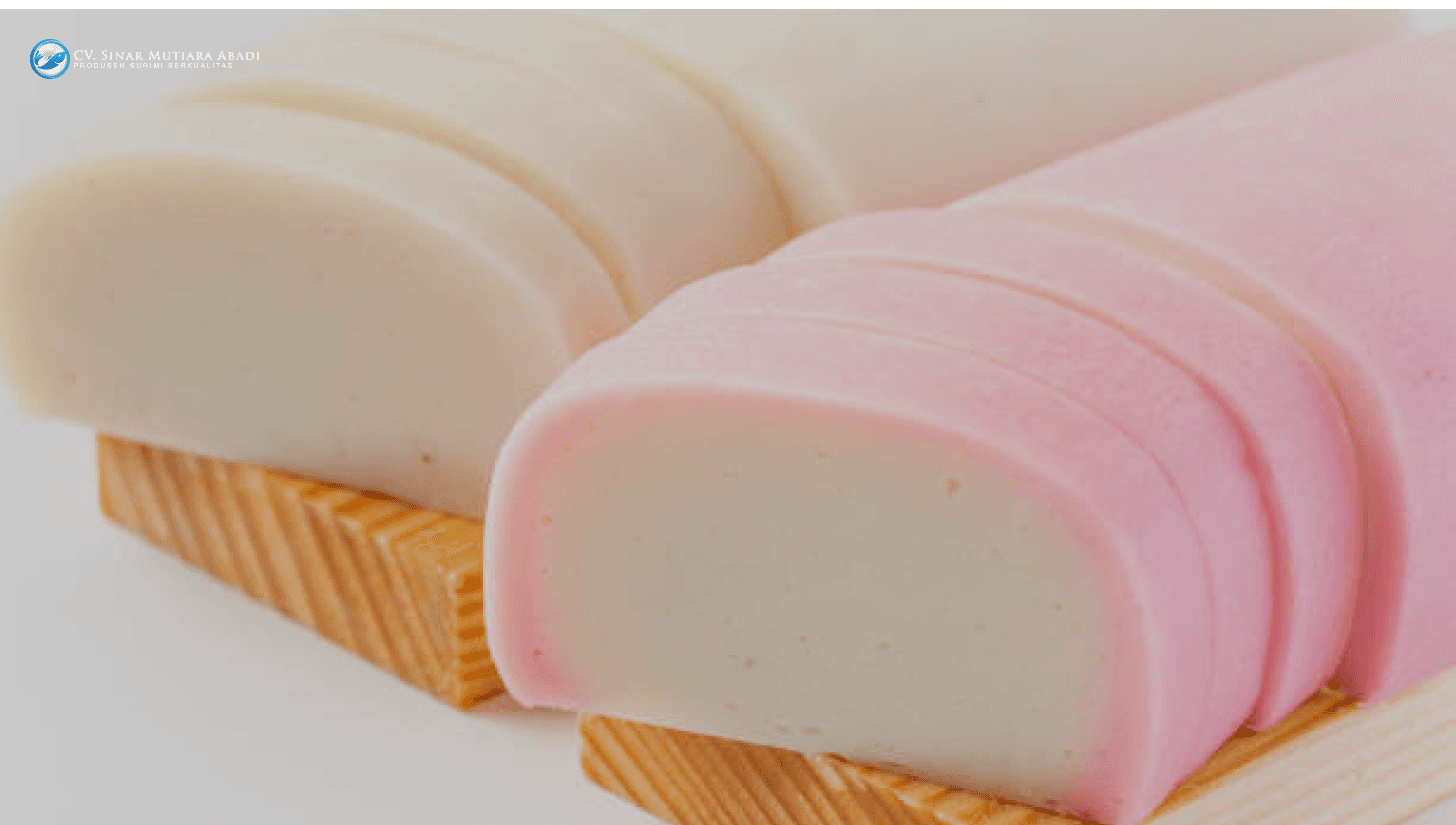
The other effort that Kamaboko producers could make was to focus on making Kamaboko with traditional methods to cope with the decline.
Everything has had to be in the traditional way. Pollock surimi is known for its quality and has been used to make Kamaboko in Japan for centuries.
The surimi paste is often mixed with some seasoning like salt, mirin, egg, and starch before being steamed on a wooden board. Wooden molds were also used to shape the Kamaboko with an artisan style.
Keeping the production in these ways helps preserve the Kamaboko tradition as Japan’s heritage in the culinary sector and represents surimi seafood popularity.
Conclusion
With all the popularity that Kamaboko has gained since the Heian period and its role in Japanese culture, it is fair to say that Kamaboko is the pride of both the country and the surimi industry.
In 1973, the production of Kamaboko and other surimi seafood experienced a positive rise across the country and even went global for a couple of years ahead. But later in 1975-1976, the production volumes started to shrink over time.
The peak of this decline was in 2008-2011, when the number of Kamaboko producers also shrank massively.
These declines happened because of various factors, which include the rising price of surimi that made manufacturers go bankrupt, the Westernization that affected consumer preferences, and the changing quality of surimi used as the main ingredient.
In response to this situation, both ZENKAMA and Kamaboko producers have made serious efforts by promoting the nutrition of Kamaboko and other surimi seafood as healthy seafood options, while maintaining the traditional manners of producing Kamaboko. Although no significant improvement occurred, all of these preserve Kamaboko as part of Japanese traditional cuisine to this day.


Adress: Gajah Mada KM 4, Banyudono, Kaliori, Rembang 59252
Phone Number: +62 822 98989 169
E-mail: marketing@sinarmutiaraabadi.co