
Apr 25, 2026
Introduction

Surimi gel quality is one of the most important aspects of the surimi industry, especially as the global demand for healthy seafood products has been increasing recently.
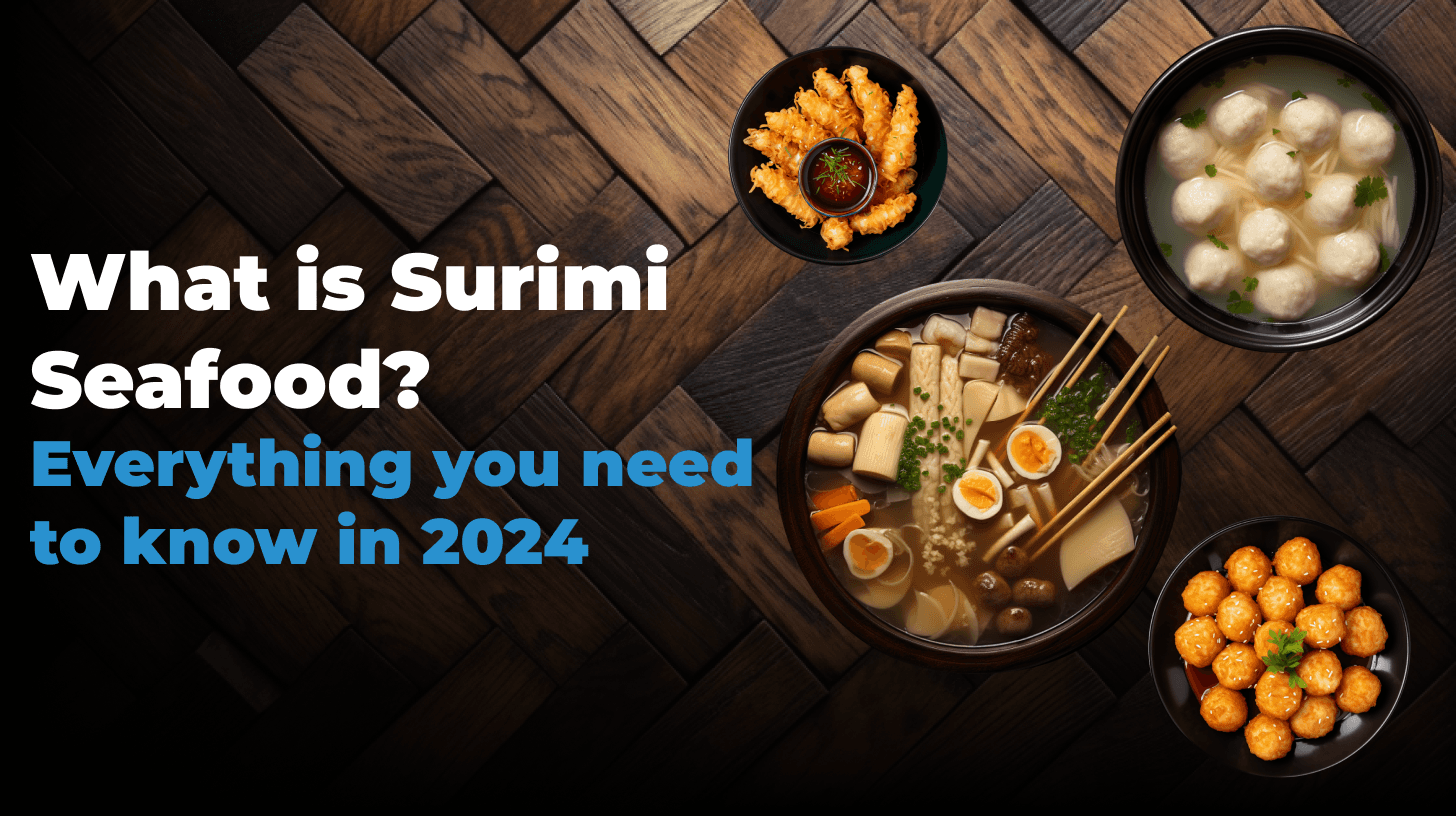
Surimi has been known as a refined fish myofibrillar protein that is further used to produce healthy seafood products such as crabsticks, fish balls, fish sausages, kamaboko, tempura, and many more. Within the industry, these products are also called surimi seafood.
Other conventional fish products do not rely on the functional properties of fish myofibrillar proteins like surimi seafood does. All surimi seafood products are heavily reliant on myosin and actin proteins to form a gel network that forms the best surimi gel quality and texture.
Without support from fish myofibrillar proteins, the quality of surimi gel will negatively affect the performance of surimi products and consumer preferences.
That is why maintaining surimi gel quality is not simple homework for every surimi producer around the world. They need to pay attention to all aspects, from acknowledging factors influencing surimi gel quality to applying strategies for a better gel performance.
Here is what you need to know!
Surimi Gel Quality and Texture

Surimi gel quality and texture are influenced by the interaction between biochemical and processing factors. Surimi gel strength relies on fish protein concentration, salt levels, temperature control, and the heating conditions.
Extraction and alignment of myofibrillar proteins in proper ways are very important to support the proteins in forming a stable three-dimensional gel matrix. These fish proteins can provide elasticity if they are unfolding and interacting as they should.
In terms of surimi gel quality, proteolytic enzymes are one of the factors that can potentially damage its quality. These enzymes could cut large proteins into smaller pieces, which then makes them struggle to build a strong gel structure.
It is also more harmful if the myosin heavy chain is broken down, as it could further weaken the surimi gel. Therefore, letting enzyme activity be uncontrolled can reduce surimi gel quality and texture significantly.
But it is also important to note that surimi gel quality is not only a crucial aspect of surimi products but also their overall performance. If the gel is weak, surimi products will become more fragile and lose their elasticity more easily.
Types of Proteolytic Enzymes Affecting Surimi Quality
Proteolytic enzymes consist of several types that play different roles in surimi gel quality.
1. Cysteine Proteinases
Cysteine proteinases have gained a lot of attention within the surimi industry as one of the main causes of surimi gel weakening. These enzymes normally break down the muscle protein of the fish after it dies.
One of these is cathepsin L, which is quite challenging to remove during the surimi washing process and can remain active in the final products. This enzyme attacks the myosin heavy chain, further weakening the surimi gel structure.
Surimi producers, therefore, need to take this challenge seriously because this enzyme could remain stable even during frozen storage.
2. Aspartic Proteinases
Aspartic proteinases are another type of proteolytic enzyme that could influence fish muscle protein in negative ways.
Fun fact: The effect of this enzyme is considered smaller compared to the previous enzymes because surimi is normally processed at neutral pH rather than acidic pH. And these enzymes are most active at neutral pH.
Other than that, aspartic proteinases are also sensitive to heat. That is why these enzymes easily lose their activity during the cooking process, further closing the potential to influence surimi gel quality and texture.
3. Serine Proteinases
Serine proteinases have also been a serious challenge for surimi producers, as they remain active during heating, causing surimi gel degradation. These enzymes are very difficult to remove during the washing process because they have a strong attachment to muscle fibers.
Why Is Proteolysis a Major Problem for Surimi?
Proteolysis could break fish myofibrillar proteins, causing trouble for the gel network to form properly. Surimi gelation requires these proteins to both unfold and connect with each other.
Otherwise, the structure of surimi gel will become weak and unstable.
That is why it is so important for surimi producers to take extra care for surimi productions, especially avoiding the breakdown of the myosin heavy chain. It is no longer a secret that this protein plays a key role in building strong surimi gel that can provide elasticity and strong texture.
Proteolysis can harm surimi production and further lead to serious economic problems, where surimi producers face lower yields, bad product quality, and raised additives used to correct surimi gel texture.
With these problems, consumer satisfaction will automatically go down, reducing the global demand as well. Therefore, serious attention to this case is essential for both surimi product quality and profitability.
Improving Surimi Gel Quality and Texture
Many scholars have found ways to improve surimi gel quality and texture.
1. Double Network (DN) Strategy
The DN strategy is a method found to strengthen surimi gel by creating two overlapping protein networks. This structure makes surimi gel quality more stable to resist enzyme-related damage.
DN strategy reinforces the gel matrix to maintain a firm and elastic surimi texture, especially under difficult processing conditions.
2. Use of Additives
As mentioned by Monto et al. (2022) in their research, additives play an important role in improving surimi gel quality and texture. The use of additives like polysaccharides, proteins, and enzyme inhibitors can improve surimi gel strength and stability.
These additives can also improve protein interactions, slow enzyme activity, and increase water retention. Another study by Walayat et al. (2022) also highlights the benefits of using cryoprotectants in protecting surimi fish proteins during frozen storage.
Conclusion
On the whole, surimi gel quality is one of the essential aspects within the surimi industry that cannot be ignored. Surimi gel quality controls the texture, stability, and the final quality of surimi and surimi seafood products.
Surimi fish myofibrillar proteins, including myosin and actin, have a role in forming strong and elastic surimi gel networks. Without serious care, these proteins can be broken down, ruining the surimi gel texture and quality.
Enzymes, like proteolytic enzymes, are one of the major challenges that could damage surimi gel strength and surimi product consistency. Therefore, it is crucial to monitor this product's activity closely.
Although several strategies have been applied within the surimi industry, it is still important for surimi producers to be aware of this knowledge and enhance proper processing techniques to avoid any damage to the quality of surimi products.



Adress: Gajah Mada KM 4, Banyudono, Kaliori, Rembang 59252
Phone Number: +62 822 98989 169
E-mail: marketing@sinarmutiaraabadi.co