
Nov 10, 2024
It is no longer a secret that surimi is part of the Japanese cuisine. From sushi to oden, although not many people are aware, surimi is almost everywhere.
Many seafood products, such as crab sticks and fish balls, are made from a minced fish paste known as surimi. Today, the surimi industry has taken a major role in the global market with the high demand for its surimi seafood products.
The surimi industry has spread across Asian countries, with significant production for tropical surimi. Even so, not many people know the root of surimi creation and how it evolved.
Here, find out how surimi was first invented and how it later became one of the famous options for seafood products.
The Origin of Surimi
Surimi originated in Japan several centuries ago, during the Heian period (790-1180). The popularity of surimi also started to rise in the 12th century, specifically when surimi seafood known as kamaboko in Japanese was first mentioned in 1115.
Since then, various surimi seafood has continued to be invented and explored until the 20th century.
As the journey of surimi was developing, a Japanese chemist found that sugar could be added during the making process to stabilize surimi products and preserve their shelf-life. With this genius discovery, the surimi industry from Japan has attracted and improved to be one of the greatest global industries in the food sector.
Fun fact: Surimi was created as a way to preserve leftover fish by Japanese chefs, in which the fish were ground and salted as part of the preservation process.
The Revolution of Surimi-based Dishes
Historically, various surimi innovations have been created and evolved over the last 900 years.
Various fish species are used for surimi production, including local species. Different regions in Japan typically use different species, which create their characteristics depending on where they were produced.
These are the four common traditional surimi seafoods in Japan.
Kamaboko
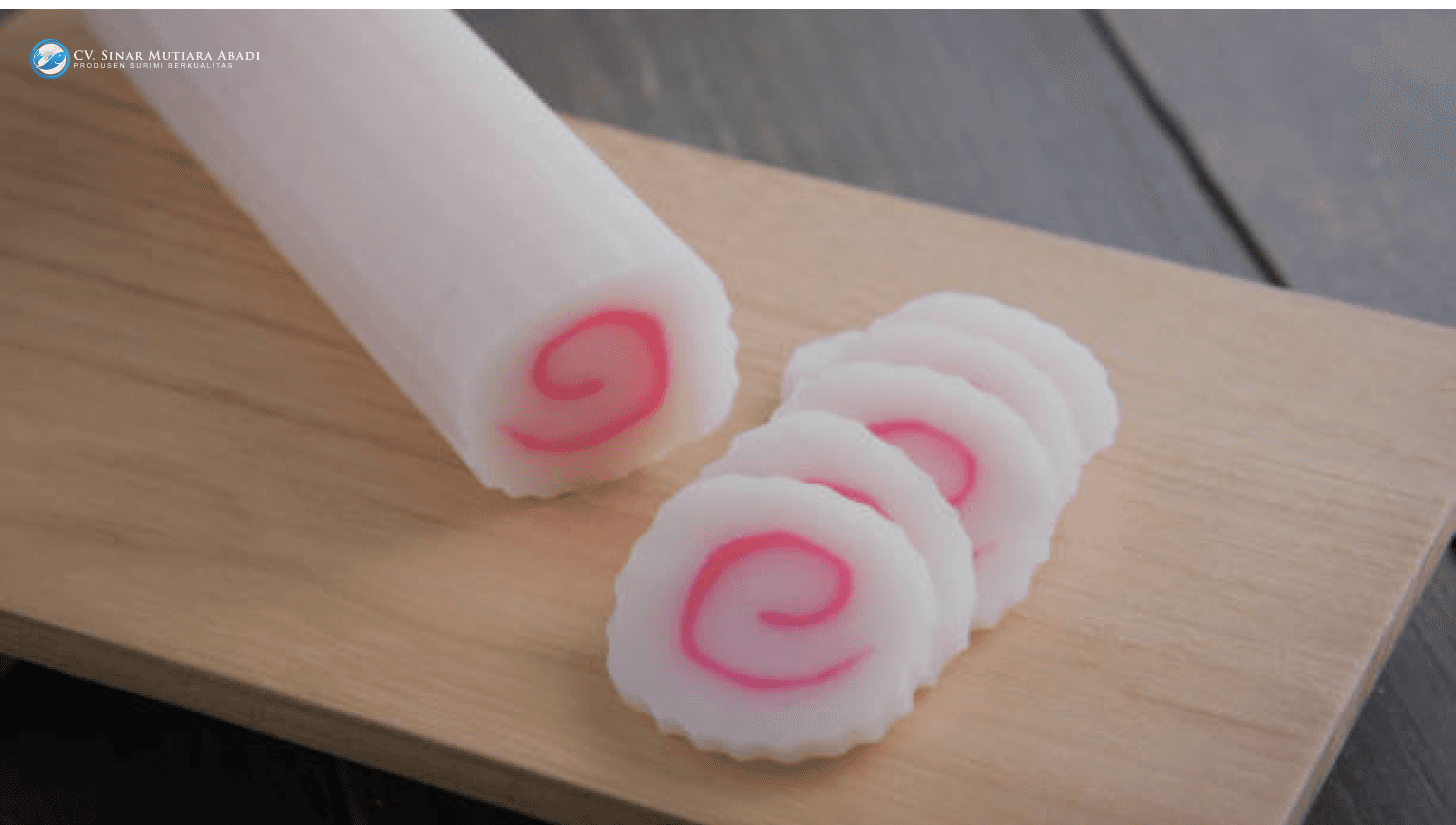
Starting from Kamaboko, which was first invented using the flower part of a cattail plant. Later in the Edo period (1600-1867), Kamaboko was starting to be known by many people, which made it part of the food culture during that time.
Later on, the production of kamaboko started to expand across Japan and used surimi from local fish. With its great taste, Kamaboko has become one of the famous Japanese traditional cuisines until the present day.
Satsuma Age
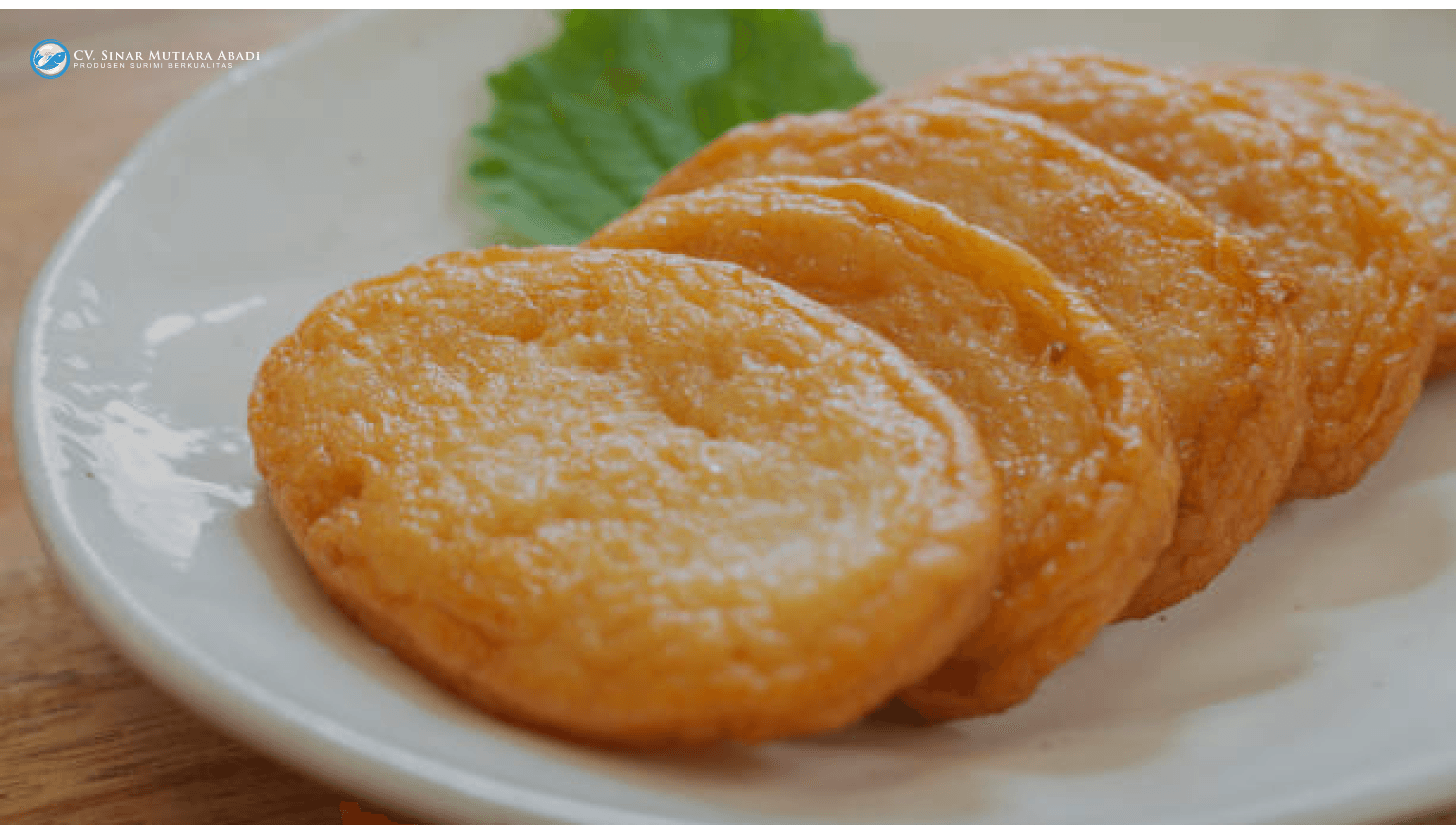
Satsuma Age is the other invention that uses surimi as the main material. It is also known as a fried fish cake.
This surimi-based food is a local food from Kagoshima and is commonly served as a snack or a side dish. In this region, the surimi used for the Satsuma Age is the one that is made from walleye pollock, croaker, and lizard eye fish.
Even though Satsuma Age is the local food of Kagoshima, other regions, such as Kansai, also have the same dishes but with different names. In Kansai, they named it Tempura.
Chikuwa
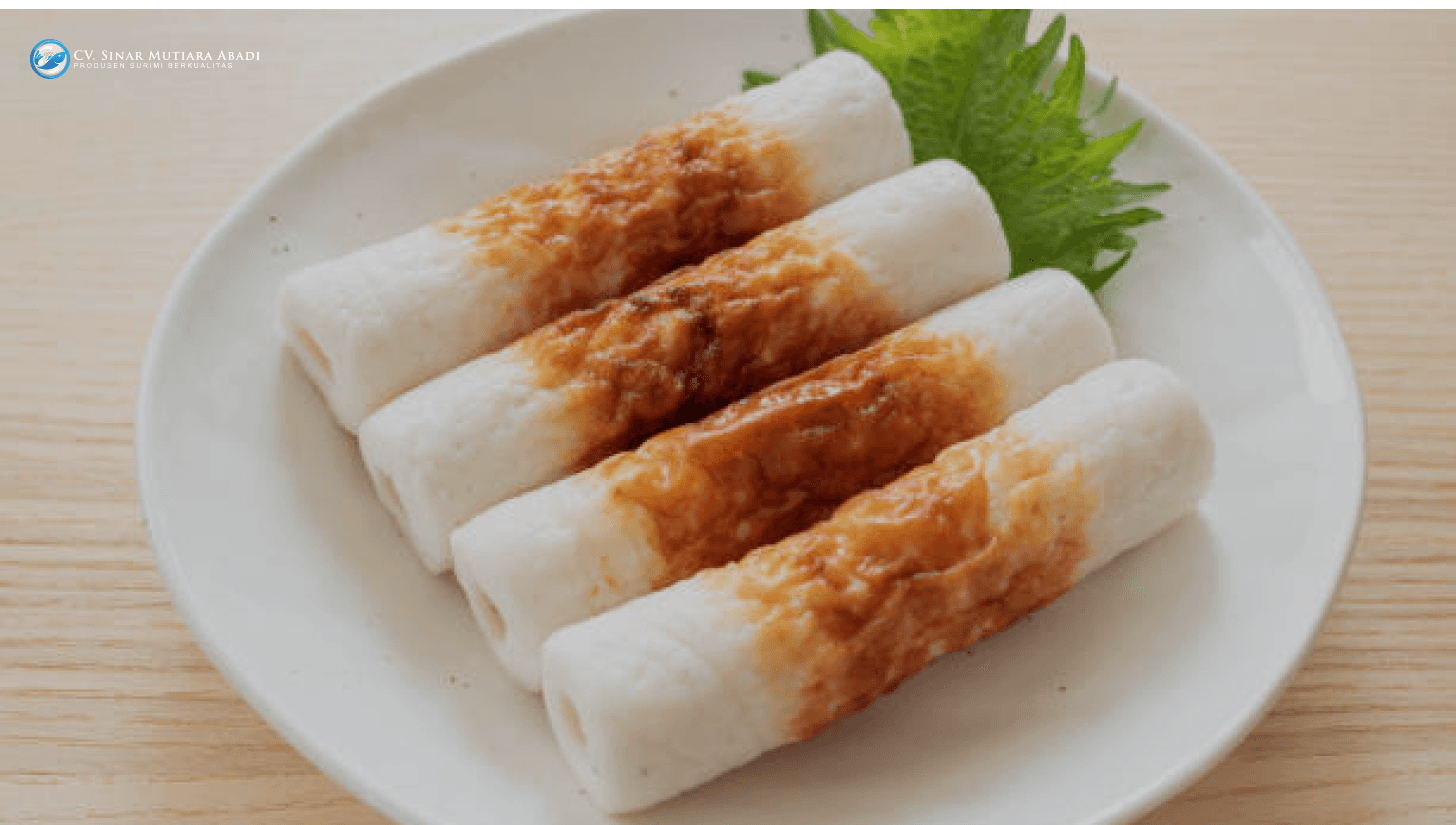
Chikuwa is widely known for its tube-shaped form. The production of Chikuwa mainly used Alaska pollock surimi, or other surimi paste from species like yellow croaker, lizardfish, and pike conger.
In Shimane Prefecture, Chikuwa is made from flying fish, and it is called Noyaki. In the Tohoku area, it is called Botan Chikuwa. In Tohoku, the production used both Alaska pollock and shark surimi.
This surimi seafood product is commonly served in boiled dishes, like the Japanese traditional oden. Many people also use Chikuwa either for stir-fried food or as a snack.
Hanpen
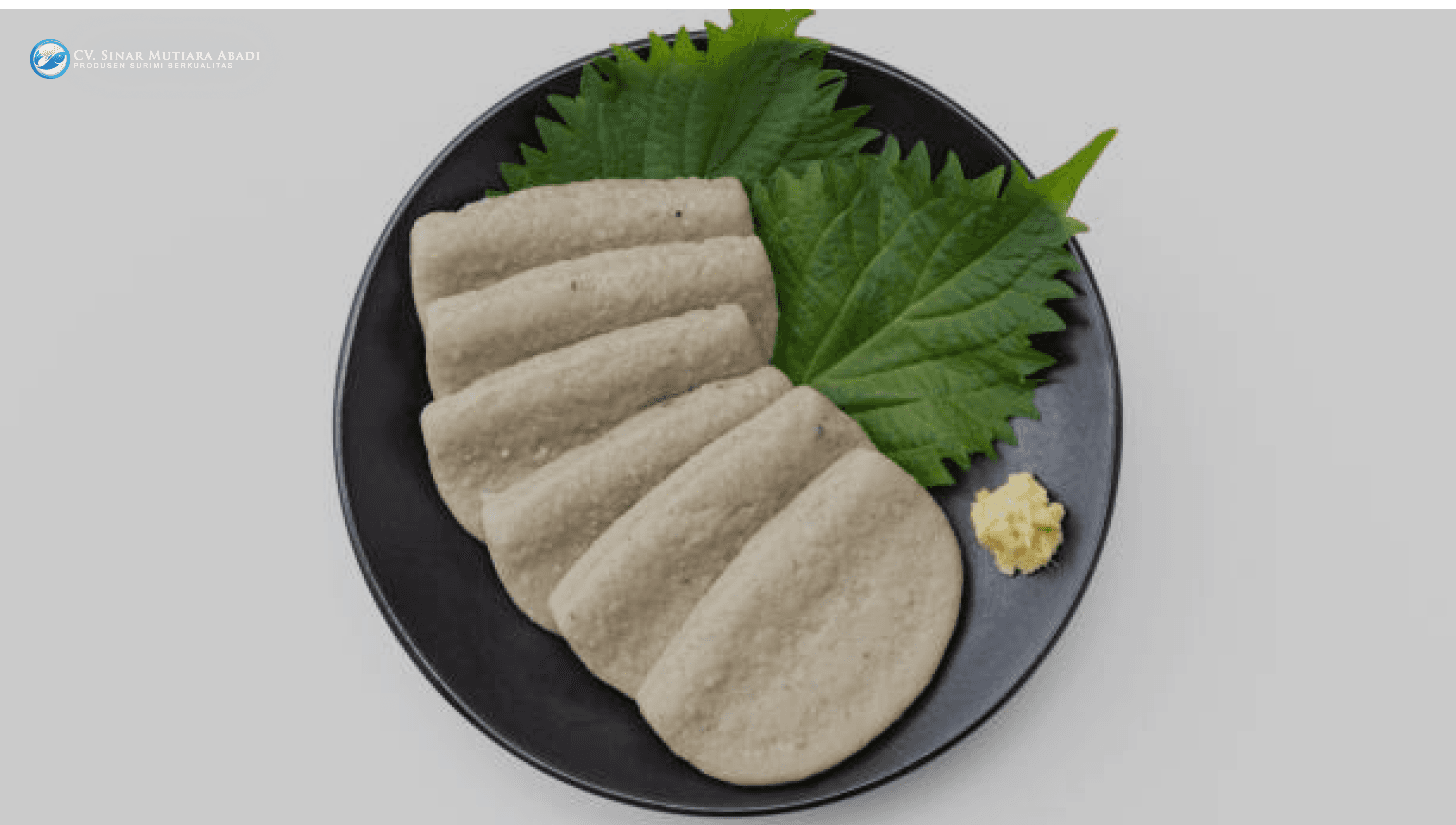
Hanpen is known as the boiled version of Kamaboko. In Japan, hanpen is traditionally produced in various types, such as Uki-hanpen, which uses shark meat, and Kuro-hanpen from red-flesh fish. There is also another type of hanpen with pike conger or lizardfish for production in Osaka or Yamaguchi Prefectures.
Surimi's Impact on Japanese Cuisine
Surimi has undoubtedly become the heart of Japanese culture, especially in the country’s traditional food sector. Countless types of surimi seafood products have been used in Japanese cuisine either in hot soup dishes or as a snack.
One of the most famous surimi seafood products is kamaboko. This surimi seafood product adds various values to Japanese culture.
It is a common thing in Japanese to decorate Kamaboko to make it as a gift for each other, especially at weddings. The decorations are deeply rooted in Japanese culture, with designs picturing sea bream, cranes, or turtles, which symbolize celebration and long life.
Another tradition in Japan is that the local people usually have red and white kamaboko every New Year’s Day as a symbol of good luck.
To cherish Japanese culinary culture, the locals celebrate Kamaboko Day every year on November 15th. This shows how surimi seafood represents the rich traditions and history of Japanese cuisine.
The Evolution of Surimi Processing Techniques
Surimi processing techniques began with manual methods. Almost all types of surimi that existed from the 12th century were prepared manually.
The manual surimi processing methods include heading and gutting, washing, and dewatering using cheesecloth. However, after World War II ended, this whole surimi processing evolved.
A more modern technology started to be widely used. With new mechanical processing equipment, the surimi production volume automatically rose. The positive effect of this evolution was the expansion of the surimi industry globally.
But, even though surimi processing equipment has been using modern technology, surimi was never frozen. This is because the freezing process will affect the surimi’s gel-forming ability negatively.
Conclusion
The journey of the surimi industry, from its early years in Japan, has reflected the rich culture of its origin. As history has shown, surimi has gone through various inventions with a modern technique of production.
The surimi industry in Japan has produced various surimi seafood since several centuries ago, such as Kamaboko, Satsuma Age, Chikuwa, and Hanpen. With different production techniques in each region, surimi seafood like Kamaboko is known by many different names and has become the center of food culture.
As surimi is rooted in Japanese history, the annual celebration is dedicated to Kamaboko as a symbol of good luck for the locals. To this day, surimi continues to be the pride of Japanese culture and traditional cuisine.




Adress: Gajah Mada KM 4, Banyudono, Kaliori, Rembang 59252
Phone Number: +62 822 98989 169
E-mail: marketing@sinarmutiaraabadi.co