
Feb 18, 2025
Surimi Production and Its Global Expansion
The surimi production first began in Japan with local fish as the main ingredient. With rapid popularity across the country, surimi, a fish paste made from refined fish myofibrillar proteins, became part of traditional cuisine.
As the world got modern, the surimi production within the country started to evolve. After the end of World War II, surimi production volume started to rise thanks to modern processing equipment. However, surimi production at this time still had limitations to expand the market of the surimi industry.
The main problem was the prohibition of putting surimi into frozen storage to avoid affecting its protein and gel strength in a bad way. Therefore, Japan struggled to expand the market. Because of its short shelf life, surimi could not be shipped to another country without being frozen.
Later in 1959, researchers at the Hokkaido Fisheries Research Station of Japan found a way to prevent the protein of surimi from breaking down during the freezing process. They discovered that the use of sugar or sorbitol as a cryoprotectant will help the product to extend its gel.
With frozen surimi no longer causing worry, the surimi industry started to grow, and its market expanded widely in the 1960s and reached its peak in 1973 before experiencing a decline two years later. The expansions focused on countries with large raw material supplies to produce surimi.
The United States had been known for its Alaskan pollock in the North Pacific. This species is considered a high-quality one, which also improves the quality of the surimi itself.
Other than the United States, Japan also caught the eyes of Southeast Asia. This continent is rich in fish resources, which are obviously used to produce tropical surimi products.
Japan is smart to prioritize these countries, as the surimi industry could expand its market with abundant sources.
Invention of Crabstick and Its Significance
The invention of crab sticks also took part in the expansion of the surimi industry. In Japan, crab stick is also known as Kanikama, which simply means crab-flavored stick.
Crabsticks were invented in 1973 by Mr. Sugino of Sugiyo Co. with a flake type. Later in 1975, Mr. Osaki of Osaki Suisan developed this invention into a stick type.
At that time many countries were interested in crab sticks. With its popularity, crabstick plays a role as a bridge to connect Japan with countries such as the United States, South Korea, China, and other countries across Europe, South America, and Southeast Asia.
In 2011, data showed that Japan was not really interested in crab sticks. This is why the production volume in Japan was quite small. While, at the same time, other countries such as China and the United States had higher production volumes that reached 350,000 MT–400,000 MT.
Crabstick continues to grow as part of surimi seafood globally and has developed its market valued at $3.6 billion in 2022.
Variety of Surimi Sources
In Japan, Alaskan pollock is the common species to make surimi for Kamaboko production. Globally, there are a lot of other species used to make surimi, including tropical and cold-water fish.
In the surimi industry, there are two types of surimi: tropical surimi and cold-water surimi.
Tropical Surimi
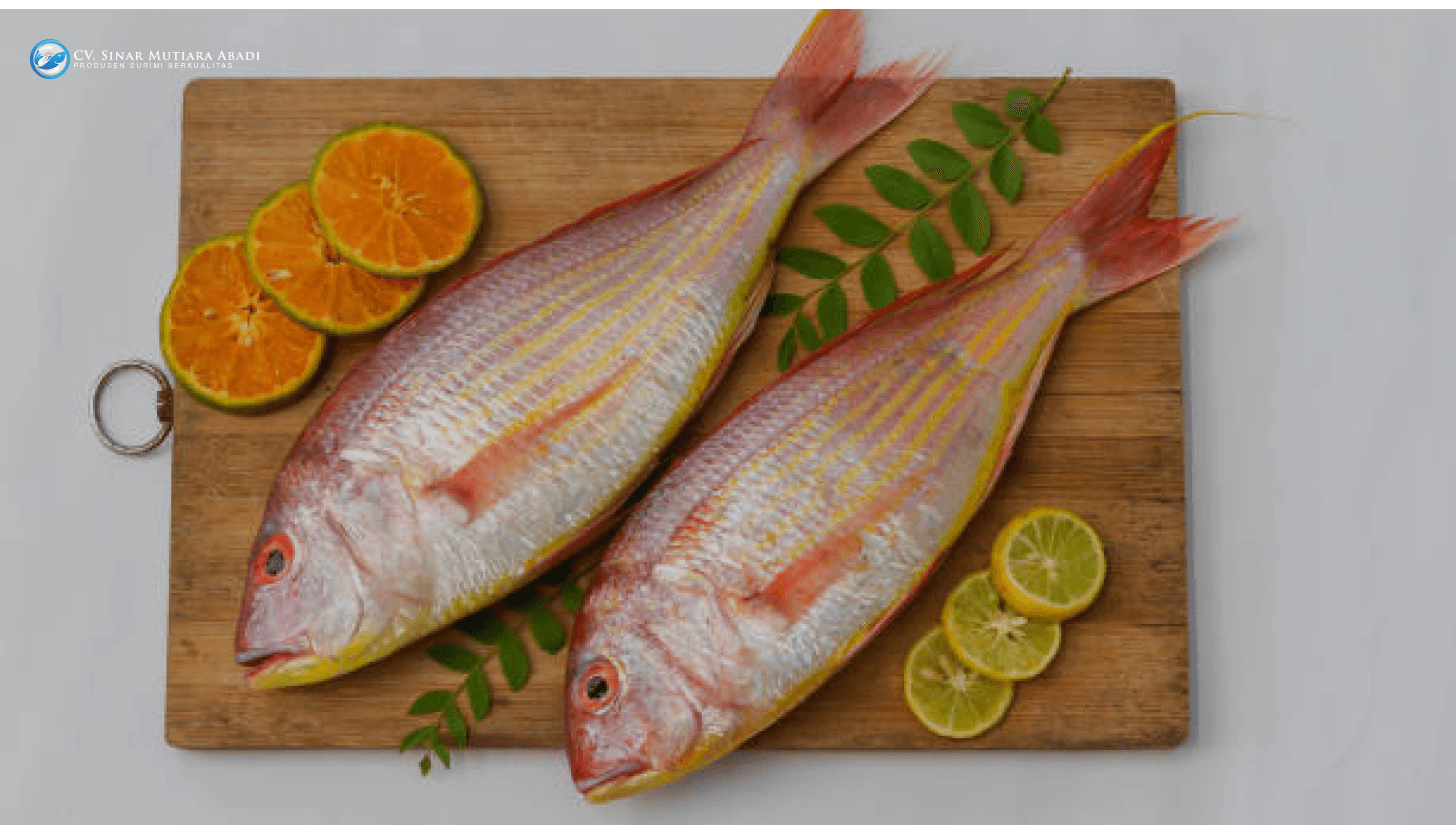
Surimi producers commonly catch tropical fish and process it in Southeast Asian countries. These species include threadfin bream, lizardfish, big-eye snapper, and croaker.
Fun Fact: Threadfin bream is the most famous species for tropical surimi production. This species is known for its firm texture and sweet flavor.
However, all tropical species offer their unique texture, flavor, and protein.
Cold-water Surimi
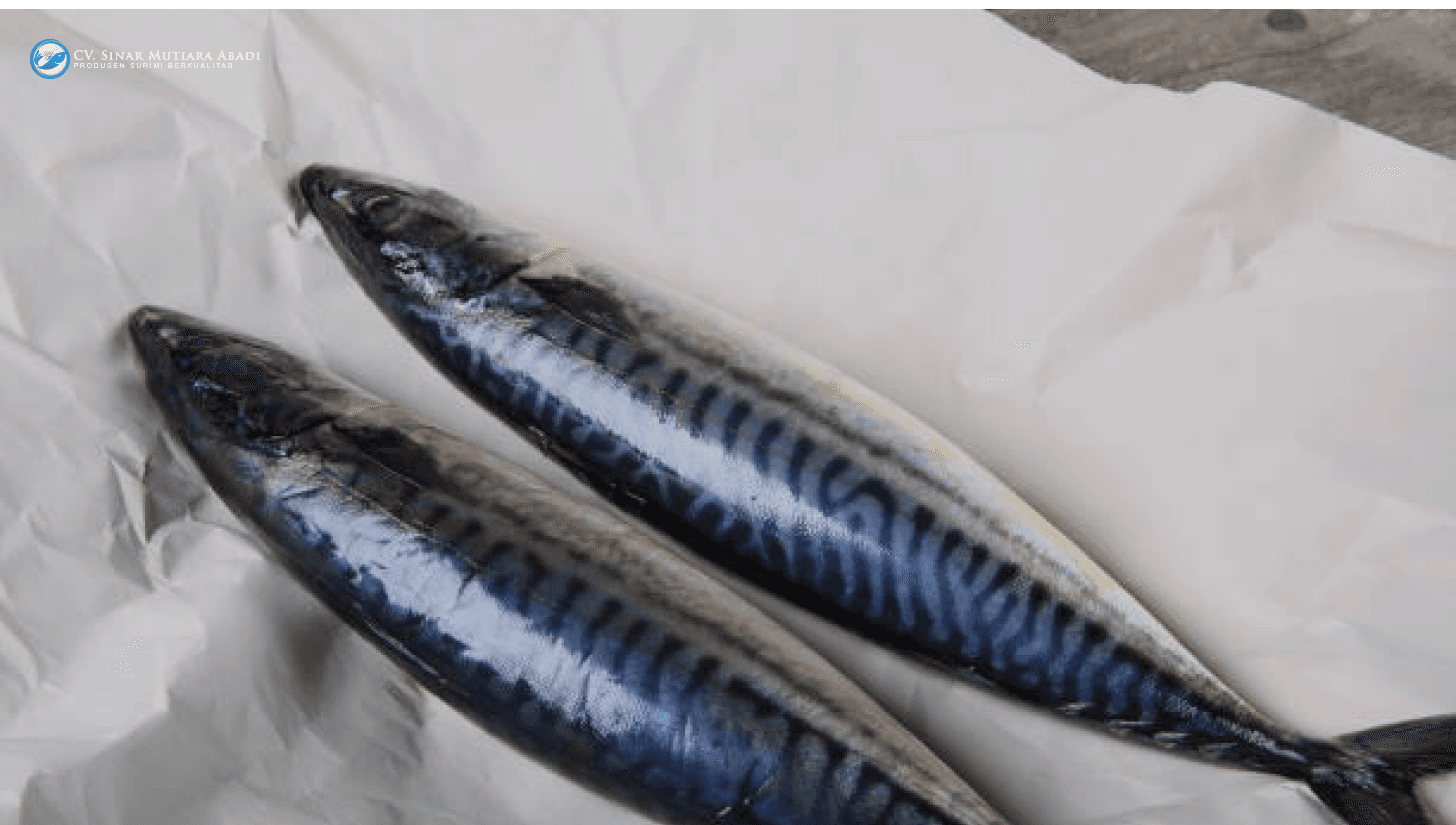
Cold-water surimi is either from the South Pacific Ocean or the South Atlantic Ocean and is commonly processed across Europe but is not limited to Asian countries such as Japan. The famous used species are Alaskan pollock, Pacific whiting, Southern blue whiting, hoki, and Northern blue whiting.
Market Dynamics and Challenges
The Surimi industry has been growing and expanding its market since the 1960s. In this journey, there are various factors that had and have been influencing the growth of surimi globally.
Surimi, just like any other product in the culinary sector, went through ups and downs. With rising popularity and demand all over the world in 1973-1975, Westernization that changed consumer preferences and global market conditions destroyed the golden era of the surimi industry.
However, in recent years surimi has been considered as a healthy option for frozen seafood products. With its nutrition, surimi gained more popularity, especially in countries like China, Korea, and the United States.
In 2022, surimi consumption rose, especially in the Asia Pacific region, not only because of its nutrition but also its unique flavor and affordability. The data also showed how Europe has been taking part in the growing demand for surimi as a low-fat alternative.
Despite the positive improvement in the surimi industry, it is important to remain aware of the challenges within this industry, such as potential changes in consumer preferences as well as competition among seafood product producers.
Future Trends and Opportunities
With the affordability, nutrition, and great flavor that surimi could offer, it is fair to say that this industry has a bright future.
Many people started to invest more in their health and well-being these days by rearranging their eating habits. Surimi and surimi seafood are rich in proteins and other nutrients, which makes them a great option for healthy food.
Other than that, the surimi industry has been gaining more consumers in the Asia Pacific region. This means that the surimi market is expanding widely and gaining more popularity. All of this will have a positive impact on both the industry and the producers.
Conclusion
On the whole, the journey of the surimi industry is remarkable. It began in Japan with various types of surimi seafood products such as Kamaboko and Kanikama, which became part of the country’s traditional cuisine.
Modern technologies and discoveries brought a better fate for the surimi industry to expand its market on a global scale. This expansion made a beneficial connection with many other countries, including those around Europe and Southeast Asia.
Although the surimi industry has not always been stable in the previous years, the value of surimi has made this industry survive in every situation and grow better.



Adress: Gajah Mada KM 4, Banyudono, Kaliori, Rembang 59252
Phone Number: +62 822 98989 169
E-mail: marketing@sinarmutiaraabadi.co