
Feb 22, 2026
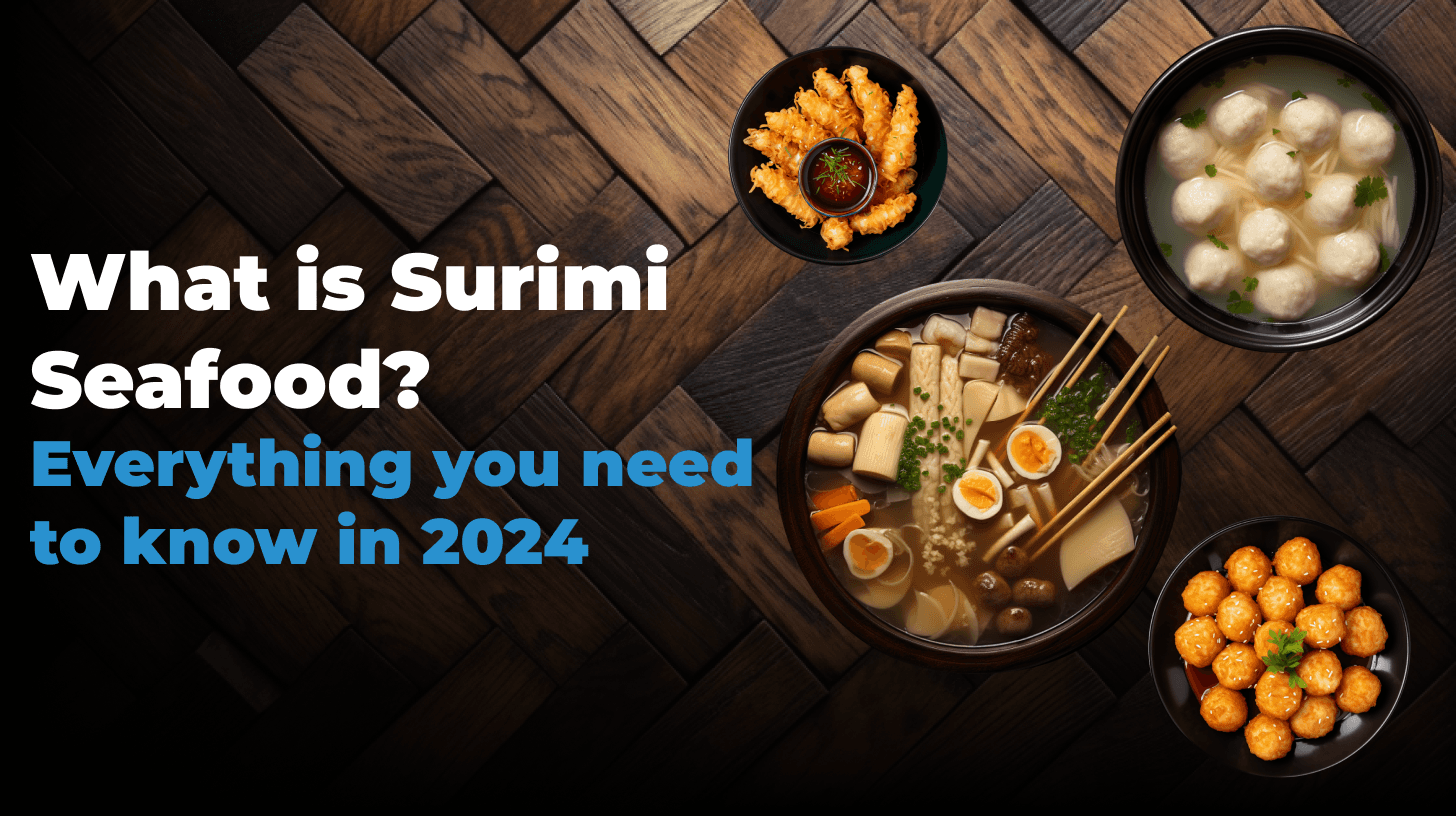
Surimi quality has become the reason for high consumer demand as a healthy seafood option. Surimi is a refined fish myofibrillar protein, commonly used to produce surimi seafood products such as crabsticks, fish balls, fish sausages and more.
Surimi is produced through several steps, including mincing, washing, refining, and stabilizing fish flesh. Surimi productions around the world rely on temperature control and protein preservation, as well as the technologies used within the industry.
Freezing operations also become one of the key parts of surimi production to ensure that the products’ gel-forming remains intact, especially during transport and long-term storage.
With the support of these aspects, the surimi industry has been able to maintain the final product quality and the efficiency of its industry.
Explore several key technologies used in today’s surimi industry and its production process, from how these technologies influence its quality and profit to the environmental performance.
Freezing Operations in the Surimi Industry

Freezing operations within the surimi industry have been considered as one of the essential parts of the production process due to the fact that surimi and surimi seafood need to be stored in a frozen form. It is no longer a secret that surimi products need to be frozen to maintain myofibrillar protein stability.
Other than that, the use of cryoprotectants in surimi can also reduce the freeze damage, which helps surimi producers not to worry about anything. However, surimi producers still need to control freezing conditions to preserve surimi quality.
Fun fact: Cooked and frozen surimi seafood products like crabsticks and fish balls are made with lower concentrations of cryoprotectants compared to the raw surimi paste.
These cooked and frozen surimi seafood products are therefore more sensitive to freezing rate, which requires rapid freezing to avoid moisture loss, freezer burn, and texture deterioration.
Problems could also occur when surimi products are removed from the freezers, especially before the products are completely frozen.
That is why surimi producers must keep in mind potential problems such as surface dehydration, excessive drip loss, and gel weakening, which could further affect the product appearance and consumer acceptance negatively.
Other than that, if the products get packed before they are fully frozen, it may lead to other problems such as moisture migration and partial thawing. These situations will consequently affect the stability of the product and increase the risk of freeze-thaw damage, especially during the distribution.
In this case, it is also very important for surimi producers to freeze the products properly in order to avoid the formation of large ice crystals that can rupture protein structure.
Freezing Capacity and Time
Freezing capacity in surimi production refers to how many products could be fully frozen within a given time limit.
In this case, freezing capacity depends on the efficiency of the freezer, product size, temperature settings, and the characteristics of the thermal.
The key to surimi freezing operations is the so-called Thermal Arrest Zone. It is known as the period when the surimi product's internal temperature remains constant during ice formation.
Surimi products cannot stay in this zone for too long, as it will need more energy and time, which will further affect surimi quality and production cost.
Therefore, it is important for surimi producers to keep the freezing capacity and time optimized. This way, surimi producers can achieve consistent product quality while also reducing waste and energy use at the same time.
Surimi Processing Operation

The surimi processing operation is a combination of both biological (intrinsic) and operational (extrinsic) factors that further determine the final texture, gel strength, and the product’s appearance.
Intrinsic factors are related to how species characteristics, enzyme activity, fat levels, and the seasonal variations influence surimi protein functionality. Meanwhile, extrinsic factors are more connected to the harvesting methods, temperature control, and washing cycles that could influence the gel performance.
With the use of modern processing technologies, the surimi industry is getting more benefits through automation, digital monitoring, and predictive tools that improve quality and efficiency.
Automation and Computer-Driven Surimi Processing
The surimi industry nowadays relies on the automated systems to reduce human error and standardize production. This technology adjusts the main processes of surimi production, including washing, mixing, and freezing.
Neural Networks in Surimi Production
Neural network models help improve surimi quality by helping processors with various variables that include fish freshness, enzyme activity, and time-temperature.
This technology has the ability to identify the most effective process of surimi production that will further help maintain strong surimi gel texture and consistent quality.
Online Sensors for Real-Time Quality Monitoring
Online sensors can measure factors such as moisture, protein, and fat, as well as temperature, throughout the surimi production process. Within the surimi industry, moisture monitoring is essential, as it influences gel strength, water-binding capacity, and whiteness.
Wastewater Management in the Surimi Industry
Wastewater management in the surimi industry is essential due to the fact that surimi processing consumes water in large volumes, especially during the washing process to remove impurities and unwanted proteins.
Consequently, the high-water usage results in wastewater that needs to be treated efficiently and responsibly to ensure that the surimi industry is processing sustainably.
Nowadays, the surimi industry has been applying countercurrent washing systems that will allow plants to reuse the water from multiple washing cycles. These systems also lower the volume of wastewater and operational costs. At the same time, it maintains the washing performance effectively.
There are other technologies, such as microfiltration and ultrafiltration systems, that support the surimi industry by improving its quality, efficiency, and sustainability.
The microfiltration technologies can take the fish solids out of the wastewater and separate them from the liquid effluent. Meanwhile, ultrafiltration systems play a part in removing the fine particles and dissolved proteins from wash water.
Conclusion
Modern surimi processing technology has transformed the industry by improving product quality, efficiency, and sustainability at every stage of production. From advanced freezing systems to neural networks, sensors, and water recycling technologies, each innovation contributes to stronger, safer, and more consistent surimi products.
These technologies also support surimi freezing operations, optimize resource use, and improve production control. As the industry continues to innovate, sustainable surimi processing will become increasingly central to meeting global economic and environmental demands.


Adress: Gajah Mada KM 4, Banyudono, Kaliori, Rembang 59252
Phone Number: +62 822 98989 169
E-mail: marketing@sinarmutiaraabadi.co